


Getting Around Toronto: The TTC, Walking, and Whether You Need a Car
Visitors ask us the same question before almost every trip. Should I rent a car in Toronto?
Short answer: no.
Toronto is a transit city with a walkable core. A car downtown is mostly a way to pay for parking and sit in traffic. Here is how locals actually move around, and the handful of things worth knowing before you tap in for the first time.
The TTC is the whole system
Public transit here runs under one roof: the TTC. It has three parts that work together.
The subway is the fast spine, with two main lines that cross downtown. Streetcars run on the surface along the big downtown streets, slower but useful and good for watching the city go by. Buses cover everywhere the rails do not.
One network, one fare.
That last part matters more than it sounds. Per the TTC, a single fare buys you two hours of travel, including transfers between subway, streetcar, and bus, and even a return trip if you are quick. You are paying for time, not for each vehicle.
Paying is the easy part
You do not need to plan this in advance.
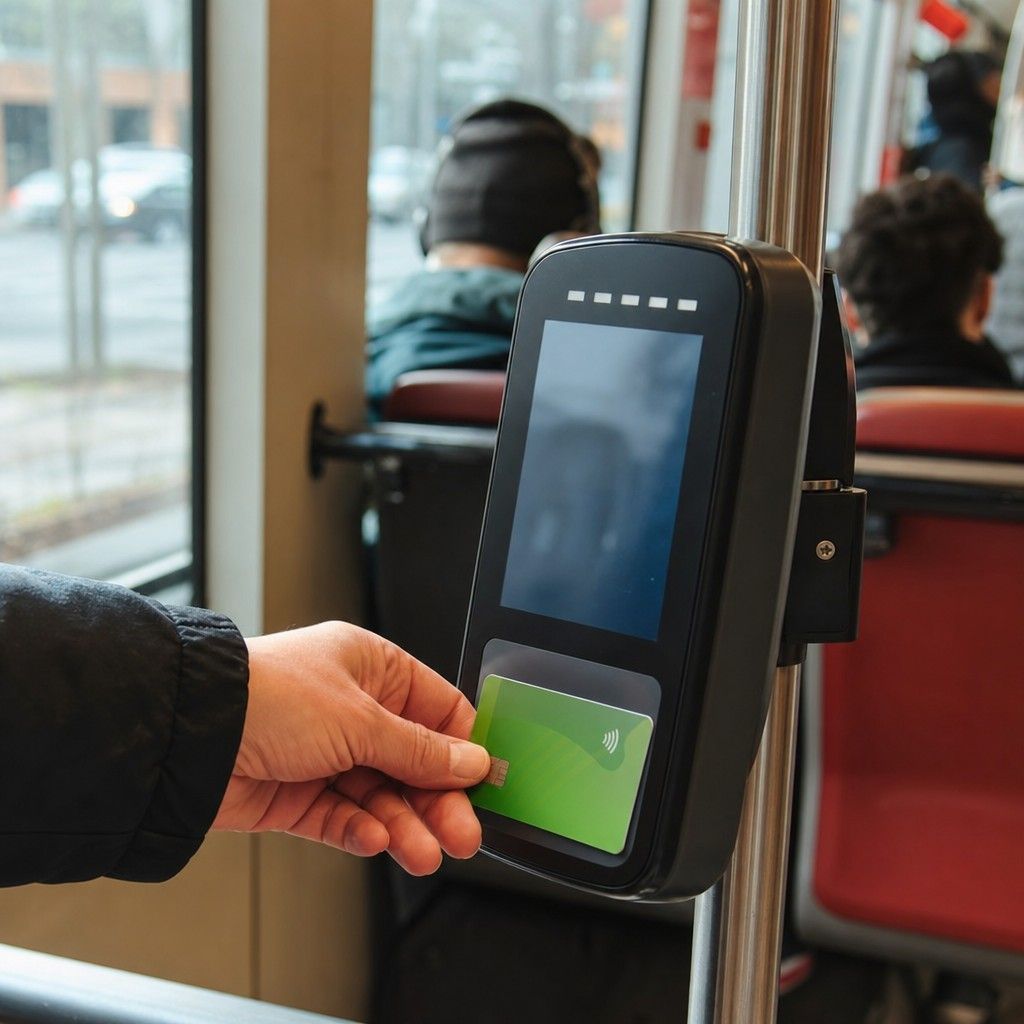
The local fare card is called Presto, but you no longer need one as a visitor. Most riders now just tap a contactless credit card, debit card, or phone directly at the reader and go.
- Tap the same card every time so the two-hour window tracks correctly.
- A day pass is worth it once you are making several hops in a day.
- Children ride free, which surprises visiting families.
Tap a contactless card and walk on. That is the whole process.
From the airport, take the train
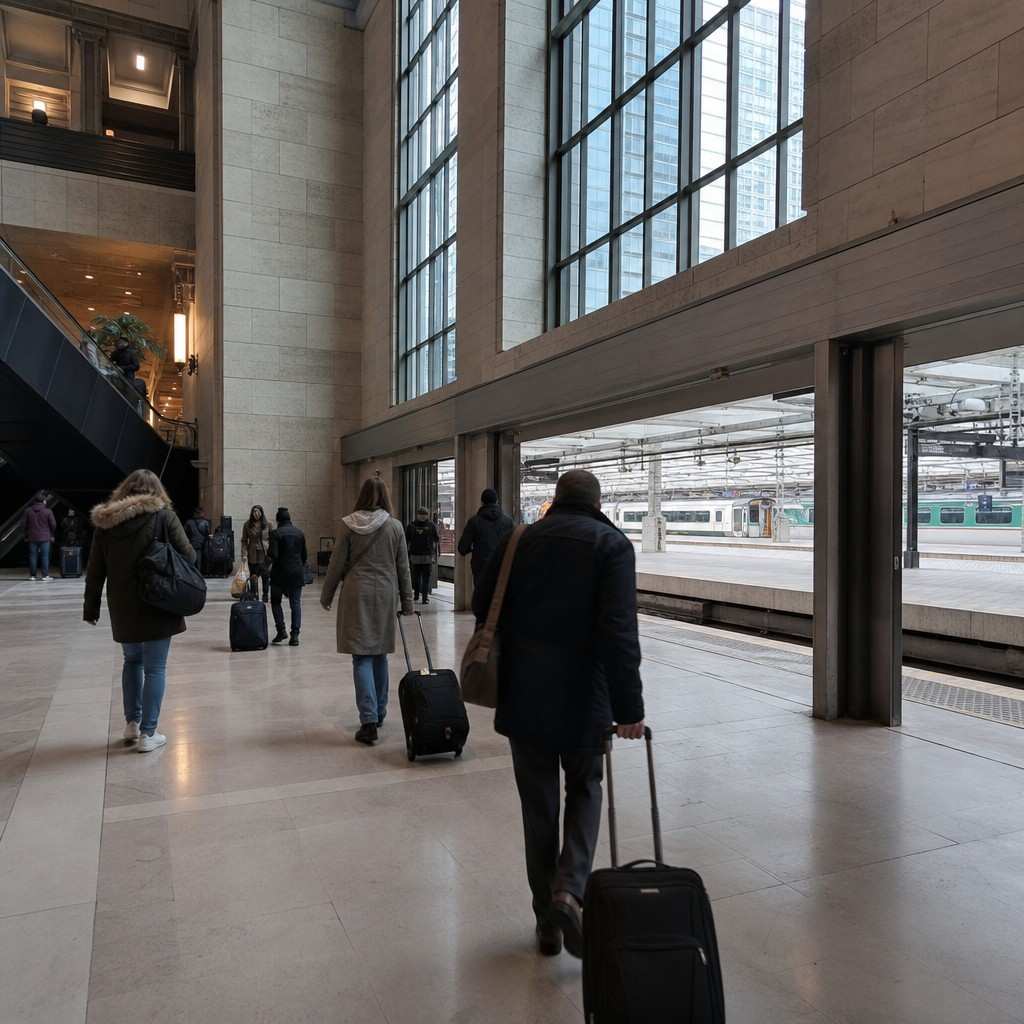
This is the one tip we give every visitor flying into Pearson.
The UP Express train runs from the airport to downtown Union Station in about 25 minutes, every 15 minutes or so. A cab can take far longer in highway traffic, for more money.
From Union you are already on the subway, and steps from the waterfront. If you land at the small Billy Bishop airport on the islands instead, you are practically downtown already, across a short tunnel or ferry.
Take the UP Express, not a cab.
Walking and biking cover more than you think
The downtown core is compact. A lot of what looks like a transit trip on a map is really a 15-minute walk past things worth seeing.
When you want wheels without a car, Bike Share Toronto has docking stations across the core, and you can grab a bike for a short ride and drop it near where you are going.
Downtown, walking is often faster than waiting.
When a car actually makes sense
Almost never, for a city trip. The exception is a day trip beyond the transit network.
Even then, check the alternatives first. Niagara Falls, for example, is reachable on GO Transit seasonally or by an organised bus tour, no rental needed. Save the car for places the trains and buses genuinely do not reach, and rent it only for that day.
If you are staying in the city, you will not touch a car the whole time.
A few local habits worth copying
Small things that mark you as someone who knows the place:
- Skip the subway at the worst of rush hour, roughly 8 to 9 in the morning and 5 to 6 in the evening, if your day is flexible.
- When a streetcar stops in the middle of the road and its doors open, traffic must stop behind it. As a pedestrian, that open door is your cue to cross to it.
- Stand on the right on escalators and let people pass on the left.
Once you are comfortable moving around, the rest of a first trip falls into place. Start with our guide to doing Toronto like a local, lean on the Toronto FAQ for the quick basics, and you will spend your money on the city itself, not on parking. Plenty of the best days here are also the cheapest, which is its own list of free and low-cost things to do.